A short social video about Mrs. Kyoseva and how she feels about being on home office duty during the Covid-19 pandemic. As a sector chief for the emergency number 112 in Bulgaria she handles management and training of 112 operators and dispatchers. With the onset of Covid in March 2020, the agency has been shifting its management and administration staff as an extra safety measure in protecting its staff. Hear how these events affect one of these people directly from their mouth. #112Bulgaria; #GCU.
A Beast made of Steel
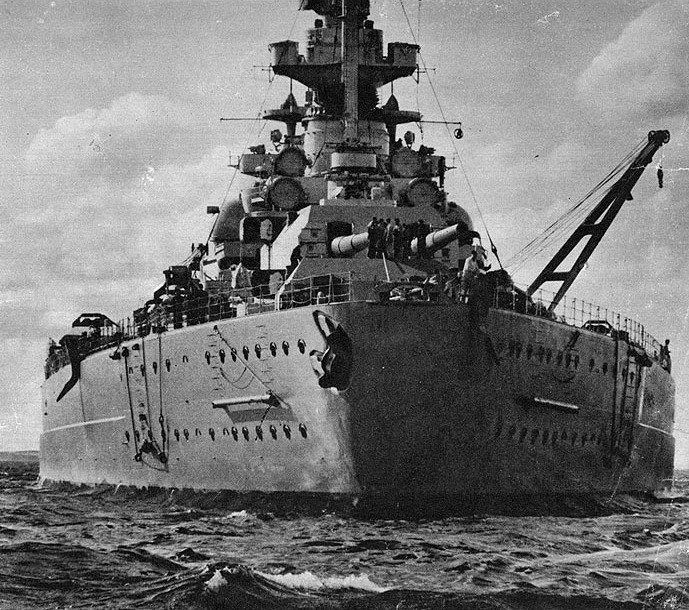
Hello and Welcome. I adore naval history and today’s story is one close to my heart, it is the story of the mighty battleship Bismarck.
The song “Bismarck” is named after the German battleship of the same name. The Bismarck, together with her sister-ship Tirpitz, are the largest battleships ever built by Germany. Commissioned in 1940 by the Kriegsmarine she had a short but infamous life.
The German Navy’s plan for the two sisters was to join them up with two other German battleships, Scharnhorst and Gneisenau, know to the British as “The Ugly Sisters”. The issue with this plan was that Bismarck and Tirpitz were in Germany, Scharnhorst and Gneisenau were in the Atlantic.
Eventually it was decide that the Bismarck will sail out north across the Denmark Strait escorted by the heavy cruiser Prinz Eugen. Its task was to meet up with Gneisenau and wreck havoc on British shipping, thus tightening the noose around Britain.
The mission required utmost secrecy, something completely impossible due to Bismarck’s gigantic size. It comes as no surprise that the German duo ran into bad luck in every step of the way. They were first spotted by the Norwegian resistance and later by the heavy cruisers HMS Suffolk and HMS Norfolk which shadowed them along their entire journey.
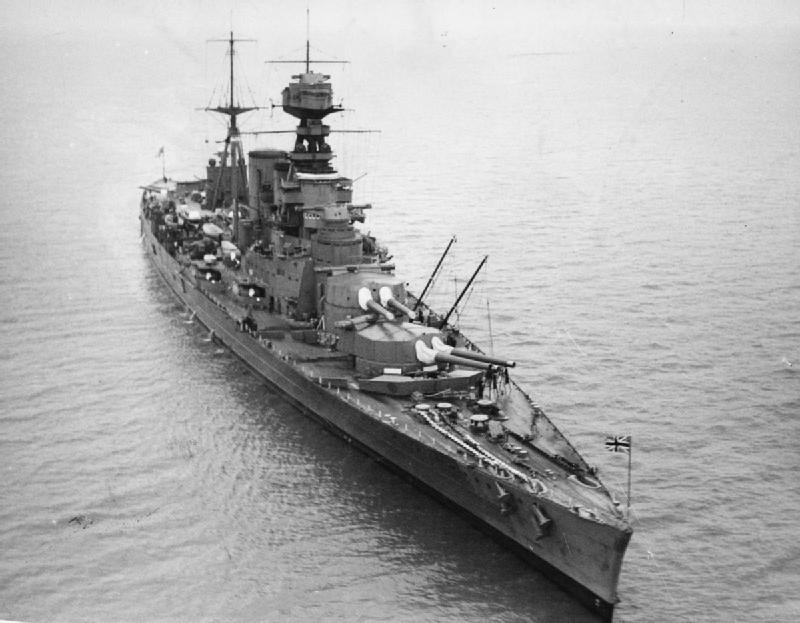
The first engagement was in the Denmark Strait where the German battle-group was intercepted by the battleships HMS Prince of Wales and HMS Hood. The Hood was “The Pride of the Royal Navy” being the last Battlecruiser built in British history at the end of WWI. First Blood was drawn by Prinz Eugen which hit Hood supposedly in a magazine depot. The engagement was short but bloody, a lucky shot by the Bismarck had broken the back of the Hood, literally, which sunk in a matter of minutes. Out of the 1418 sailors on board, 3 survived. Prince of Wales was heavily damaged and forced to retreat but not before one of its retaliatory shots hit Bismarck’s oil tank, she was losing oil rapidly and one boiler room was lost to the sea.
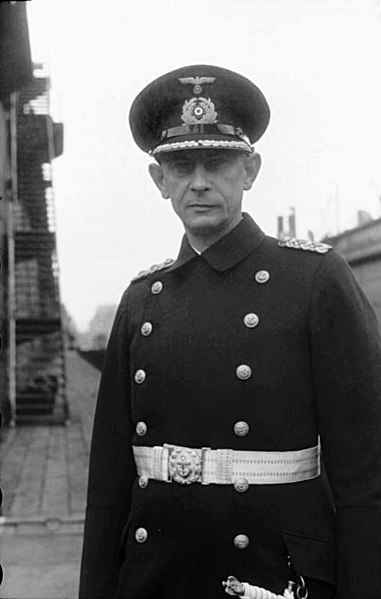
The death of Hood send a shock wave across all of Britain, soon after the Royal Navy was ordered to use everything in its disposal to destroy the Bismarck. Bismarck’s Captain, Ernst Lindemann, was short on options, either sail back to Germany or try getting to France. He chose the latter.
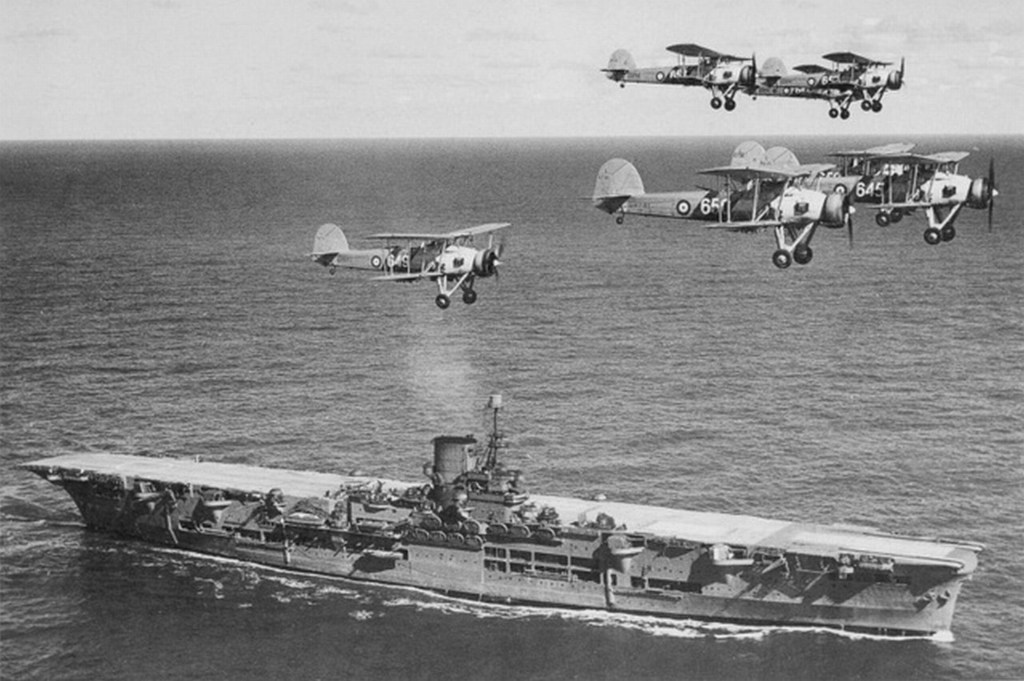
The German Behemoth was soon spotted and attacked by Force H. Headed by the Aircraft Carrier HMS Ark Royal, who’s Swordfish bombers hit Bismarck’s achilles heel, the rudder. This was the deciding nail in the German coffin, Bismarck was immobilized.
The mighty battleship’s last engagement is a one-side one. Outnumbered and surrounded by the new British flagship, HMS King George V,’s battle-group the Bismarck would go out in a blaze of glory and fire. The Battleship lost gun after gun and then its command board, it was slowly torn to pieces. The final shot would be delivered by the heavy cruiser HMS Dorsetshire. Out of Bismarck’s 2200 strong crew only 114 survived.
The chase for the Bismarck would remain an infamous story in naval history and one of the strongest signals that the Age of Battleships is over and the Age of Aircraft Carriers has started.
https://en.wikipedia.org/wiki/German_battleship_Bismarck
https://en.wikipedia.org/wiki/Ernst_Lindemann
https://en.wikipedia.org/wiki/Kriegsmarine
https://en.wikipedia.org/wiki/German_cruiser_Prinz_Eugen
https://en.wikipedia.org/wiki/German_battleship_Scharnhorst
https://en.wikipedia.org/wiki/German_battleship_Gneisenau
https://en.wikipedia.org/wiki/German_battleship_Tirpitz
https://en.wikipedia.org/wiki/HMS_Hood
https://en.wikipedia.org/wiki/HMS_Prince_of_Wales_(53)
https://en.wikipedia.org/wiki/HMS_Norfolk_(78)
https://en.wikipedia.org/wiki/HMS_Suffolk_(55)
https://en.wikipedia.org/wiki/HMS_King_George_V_(41)
https://en.wikipedia.org/wiki/HMS_Rodney_(29)
https://en.wikipedia.org/wiki/HMS_Dorsetshire_(40)
https://en.wikipedia.org/wiki/HMS_Ark_Royal_(91)
https://en.wikipedia.org/wiki/HMS_Sheffield_(C24)
https://en.wikipedia.org/wiki/HMS_Renown_(1916)
https://en.wikipedia.org/wiki/Battle_of_the_Denmark_Strait
https://en.wikipedia.org/wiki/Operation_Rhein%C3%BCbung
https://en.wikipedia.org/wiki/Last_battle_of_the_battleship_Bismarck
In Help of Strangers in need.
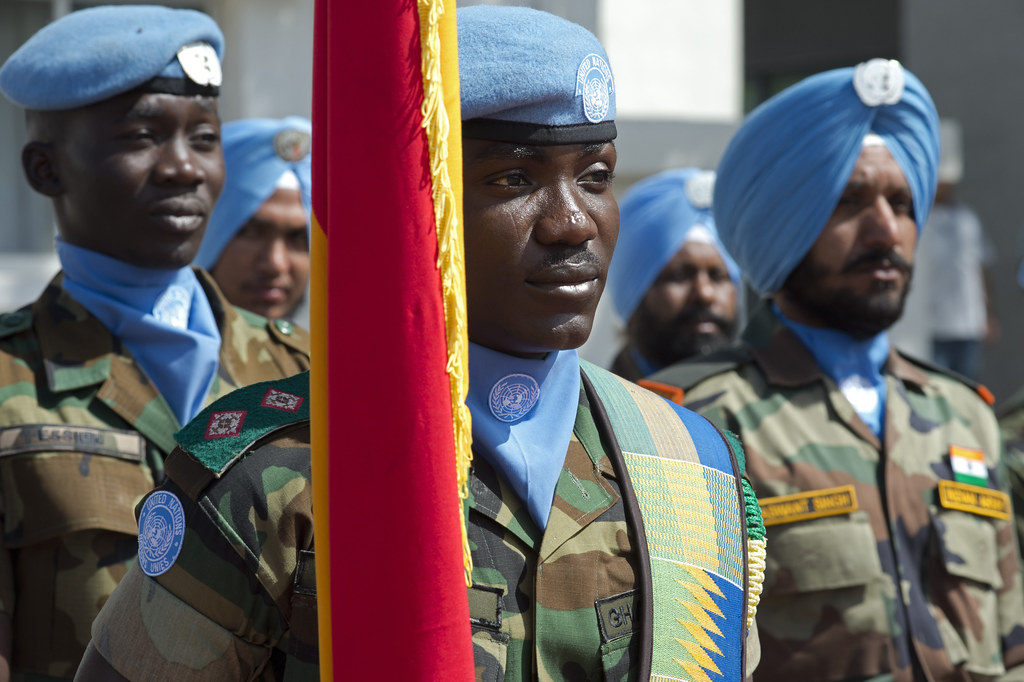
Hello and Welcome. Today’s song is “Light in the Black”, a song about the United Nations Peacekeeping Force.
The United Nations, as controversial as it can be, is an international organization involved across the globe with providing humanitarian, economic and social aid as well as protecting human rights.
Today’s story is not about the humanitarian side of the UN but its military branch, the UN Peacekeepers. The UN was founded in the end of the Second World War as an international effort towards cooperation and ever-lasting peace. The concept of ever-lasting peace and international cooperation has existed for centuries, with the great powers of old dreaming of an age when conflict would be solved in court and not on the battlefield.
For all of It’s idealism and truly commendable goals, the reality of strife would often prove the UN’s ideals imperfect and throw its purpose into the realms of doubt. Conflicts such as the Arab-Israeli Wars would often show that without the warring parties agreeing to the extremely limited UN mandate there is precious little the UN can do. UN forces and advisers regularly invited and quickly expelled.
On top of the aforementioned situations other factors such as Great Powers mandates and agendas overlapping, lack of materials and general distrust would be a regular challenge for the UN Peacekeepers.
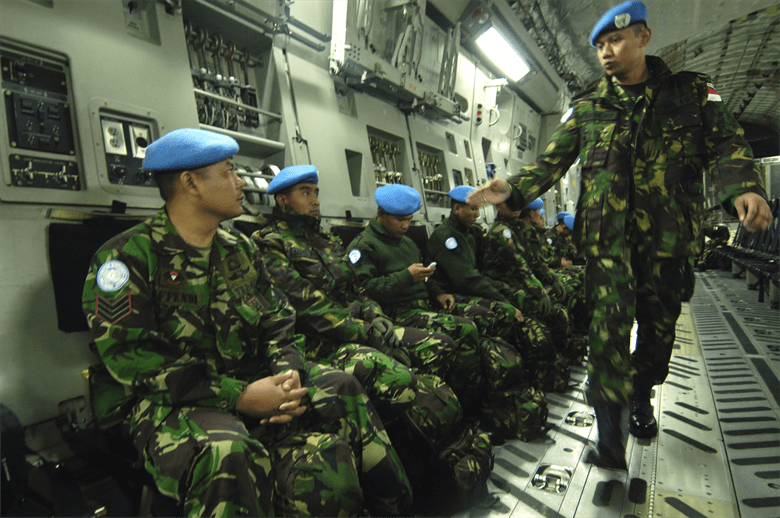
The Peacekeepers set out towards foreign lands to help strangers in need, but on an extremely restrictive mandate as to guarantee their impartiality. While inherently good in nature this leads to situations such as in the Yugoslav Wars during the 90s. The lightly armed peacekeepers trying to put themselves between the warring parties only to be forced to leave or worse, look on as massacres take place infront of their eyes.
For all of its flaws the UN’s ideals and goals are worth aiming for even if some could call them infeasible. The UN and its Peacekeepers have had ups and downs, victories and losses. Even to this day there are many people ready to put on the blue beret and their life on the line for people they have never met. There are always those ready to help strangers in need. The question is if their legacy is written in stone or in sand.

100316-N-9116F-001 PORT-AU-PRINCE, Haiti (March 16, 2010) A Brazilian U.N. peacekeeper walks with Haitian children during a patrol in Cite Soleil, a section of Port-au-Prince. Several U.S. and international military and non-governmental agencies are conducting humanitarian and disaster relief operations as part of Operation Unified Response after a 7.0-magnitude earthquake caused severe damage in and around Port-au-Prince, Haiti Jan. 12. (U.S. Navy photo by Mass Communication Specialist 1st Class David A. Frech/Released)
https://en.wikipedia.org/wiki/United_Nations
https://en.wikipedia.org/wiki/International_law
https://en.wikipedia.org/wiki/Geneva_Conventions
https://en.wikipedia.org/wiki/United_Nations_peacekeeping
https://peacekeeping.un.org/en
https://en.wikipedia.org/wiki/Cold_War
https://en.wikipedia.org/wiki/Yugoslav_Wars
https://en.wikipedia.org/wiki/United_Nations_Operation_in_the_Congo
The Boar against The Eagle.
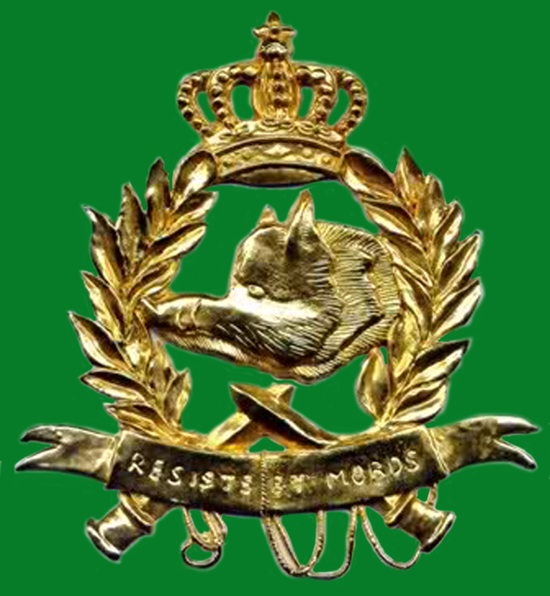
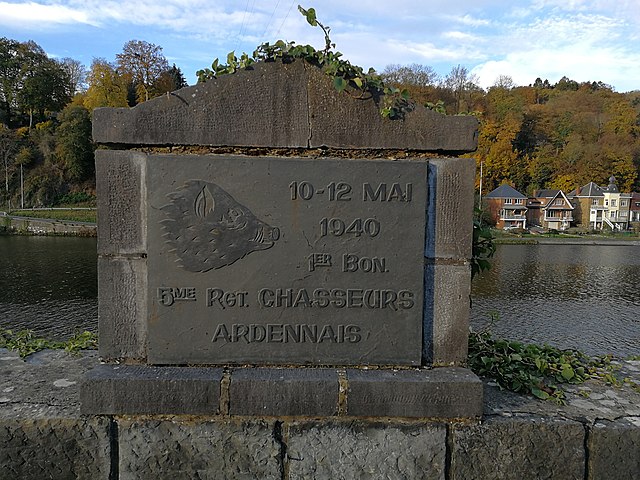
Hello and Welcome. If you are interested in history, especially Belgian history, you probably know the great amount of Belgian war stories that exist. For example the Belgian Armoured Car Corps that fought on the Eastern Front. The story of today’s blog is a less know one, the story of the Chasseurs Ardennais. Their story is commemorated in the song “Resist and Bite”.
The story takes place during the Second World War, still know as the “Phoney war” in 1940. The place of action are the Ardennes Forests. The Ardennes were considered by most as impassable for armoured units such as tanks. History and the German Army would prove that wrong with the Ardennes Offensive that signaled the fall of Belgium and France. One thing that history tends to overlook is the stand of the Chasseurs Ardennais.
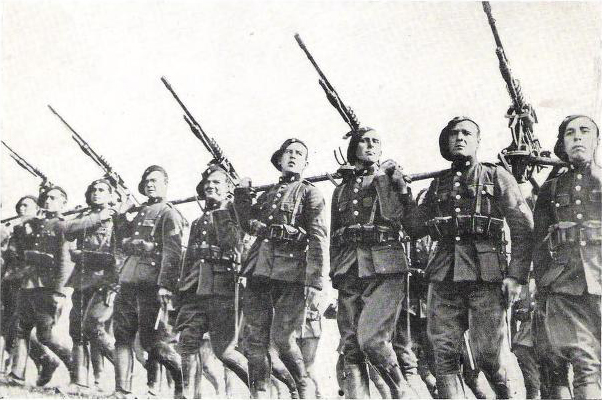
The Chasseurs are a light infantry formation, their primary object is to be a trip-wire defense. They are not meant to engage in open combat, but rather delay and buy time for as long as possible. That is what the Chasseurs did, at least most of them. The Belgian High Command soon after the German invasion of 1940 ordered all Chasseurs to disengage, one group of them never got that order.
The 5th Company of the Chasseurs under the command of Maurice Bricart held their position at Bodange against the German onslaught. Their communication wires were cut by German paratroopers so they followed their last received order, “Hold the Border”.
The Motto of the Chasseurs Ardennais is “Résiste et Mords!“, Resist and Bite! That is exactly what Major Bricart’s company did. Armed with only rifles, light machine guns and rifle grenades they held the line against the enemy, making them pay dearly for every attack. It took the introduction of 88 mm artillery guns and fierce close-quarters combat for the Belgians to finally surrender.
The Stand at Bodange hit the German army where it hurt, time. The strategy of General von Manstein was all about a quick breakthrough in the French and Belgian lines. The village of Bodange taking 6 precious hours from this plan was far from ideal.
The irony in this story is that it would have never accured had the german paratroopers not cut Bricart’s communication. “Resist and Bite” reminds us of the heroism and dedicating of men such as the Chasseurs Ardennais. Men that held the border to the best of their abillity.
https://en.wikipedia.org/wiki/Chasseurs_Ardennais
https://en.wikipedia.org/wiki/Erich_von_Manstein
https://en.wikipedia.org/wiki/History_of_Belgium#World_War_II
Brothers, Heroes, Foes.
Hello and Welcome. Today we have a story of an unordinary code of honour and the bits of humanity in war. Today we tell the story of Franz Stigler and Charles Brown.
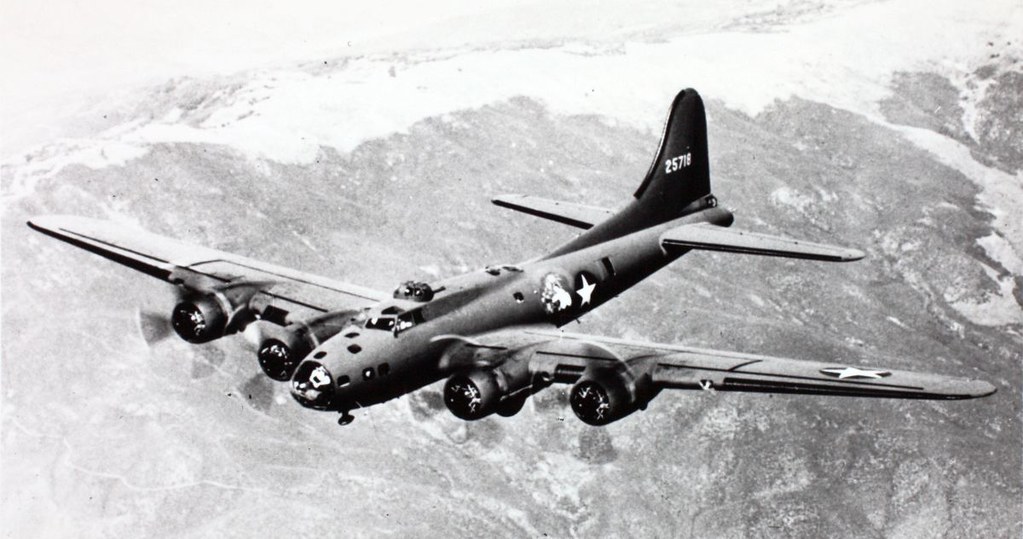
“No Bullets Fly” stands out from its counterparts due to its very unusual and unique story. It is set during the Second World War, 1943 to be specific. Near the German city of Bremen an American bomber squadron is making its bombing run.
One of the B-17s in the squadron is heavily damaged by flak gun fire and the pursuing Luftwaffe, losing 2 of its engines, its radio and one of its airmen on top of the heavy damage to the fuselage. It is somehow still flying, but completely defenseless.
The B-17’s commander, Charles Brown, knew they had no chance of getting back to England, the AA guns on the Atlantic Wall will bring them down. He offered to the men under his command the option to bail out as being captured seemed better than death, his crewmen refused.
It is then that Franz Stigler, a german fighter ace, spotted the crippled B-17. He prepared for an attack and as he is about to shoot he notices something unusual. There is no gun fire coming from the bomber, the tail gunner is missing. It is then that Stigler gets closer to the bomber and notices the heavy damaged it has sustained. Stigler had shot down a B-17 the day prior and this kill infront of him was going make him eligible for the “Knight’s Cross”, Germany’s highest award for military valour and honour.
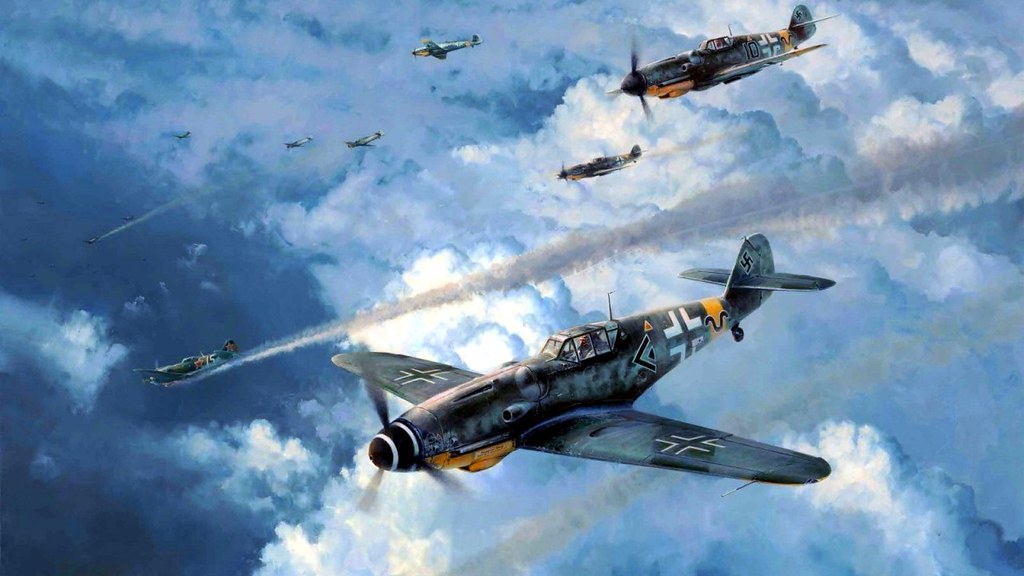
To Stigler there was no honour in shooting down these defenseless men even though he knew their bombs probably killed some of his countrymen. Stigler pulled up next to the bomber and waved to the crew, signaling them to land.
This sent Brown and the rest of the crew into shock, a Bf 109 right on their wing. Brown refused by shaking his head. Stigler knowing they wont survive if he did not help, escorted the bomber to the North Sea. The AA gunners easily recognized their own next to the bomber and did not open fire. Once the bomber had passed the danger zone Stigler saluted his foes and broke off formation, returning to base.
The story was covered up by the Allied High Command and Stigler himself. It took half a century and Brown’s search for the German pilot that had saved their lives on that faithful day for this unbelievable story to get out. By the early 90s Brown and Stigler, who had been living in Canada by then, finally met again in person. Their story taking the world by surprise.
The two men quickly grew to be great friends. They describe their meeting as two brothers finally meeting after more than 40 years.
Stigler up to his death in 2008 got calls from Germany calling him a traitor and some of his Canadian neighbours shunned him as a Nazi. His response to these accusations was always:
“They will never understand”.
https://en.wikipedia.org/wiki/Franz_Stigler
https://en.wikipedia.org/wiki/Charlie_Brown_and_Franz_Stigler_incident
https://en.wikipedia.org/wiki/Boeing_B-17_Flying_Fortress
Last Stand of an Age.
Hello and Welcome back. Today we will be covering the story of the Satsuma Rebellion and the ancient samurai code of honour, Bushido.
The song that covers this story is “Shiroyama” which is a part of the “Last Stand” album. As with every song in this album the end of the story is tragic, yet heroic.
So, our story begins in 1868 with the Meiji Restoration. Up until then Japan had been ruled in a feudal styled system led by the Shogun, the de facto ruler of Japan. That all changed with the Meiji Restoration that returned practical rule over Japan to the Emperor at the time, Meiji.
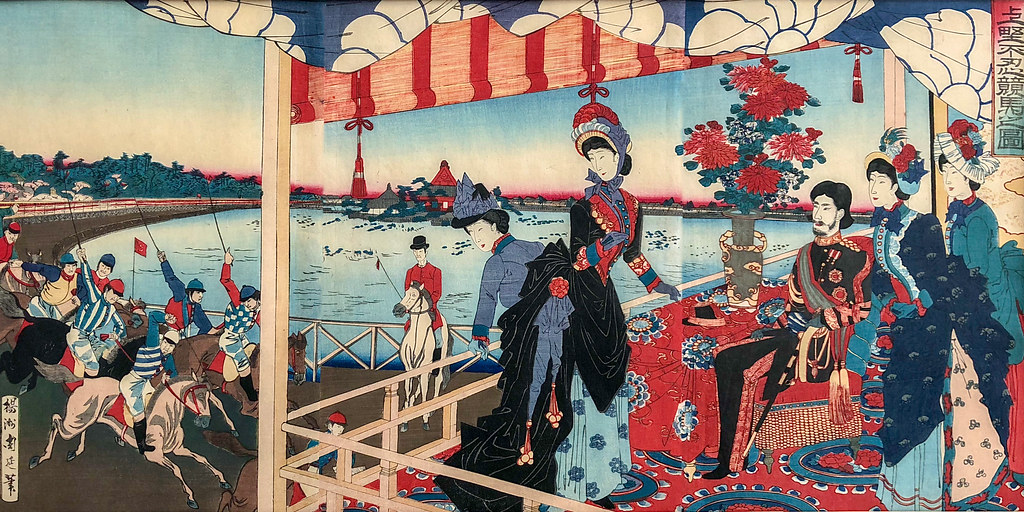
Under the rule of Emperor Meiji Japan would rapidly modernize by adopting European styled values and ideals as well as production methods and military structure.
One effect of this rapid race to modernity was the destruction of the traditional Japanese class structure. The new Meiji Constitution had completely abolished this system, making every man a commoner including the infamous Samurai.
One of the many now jobless Samurai was Saigō Takamori. Takamori was an adamant supporter of the Emperor but he had hoped the Samurai would be allowed to retain their status in the countryside. When that was proven wrong, Saigō would return to his ancestral estate to lead samurai dojos in an effort to preserve the dying samurai class and the ancient code of honour, Bushido.
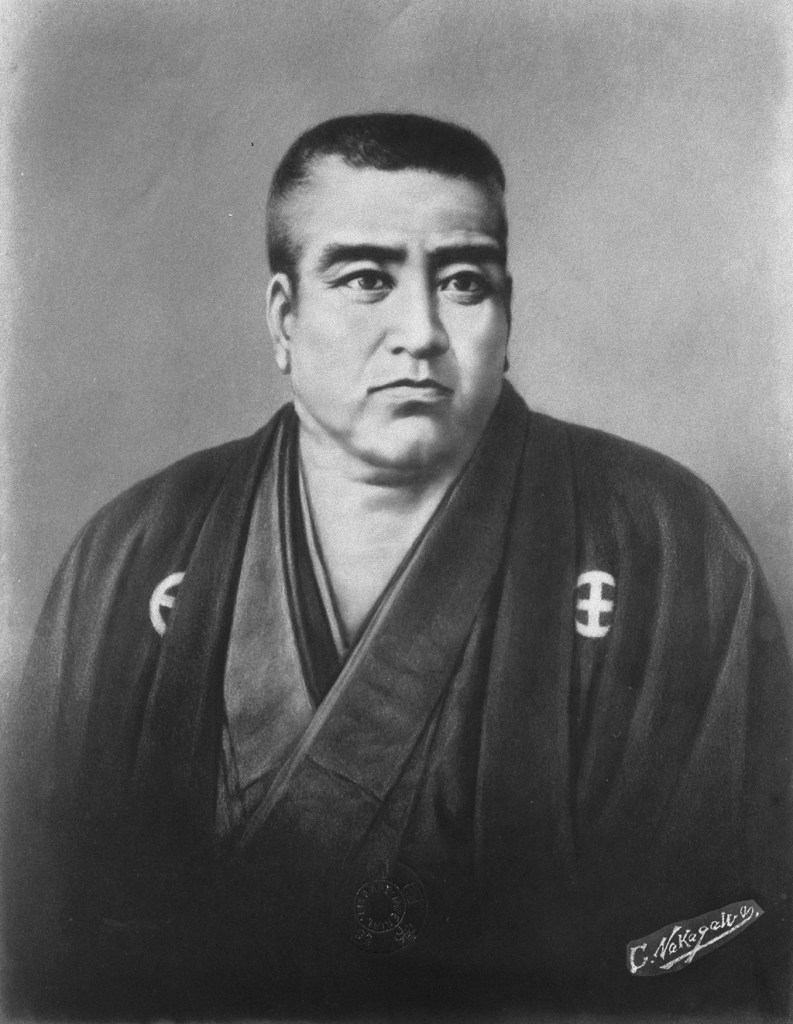
This raised eyebrows in Tokyo, soon investigators were sent. The situation would quickly deteriorate resulting in what we know as the Satsuma Rebellion.
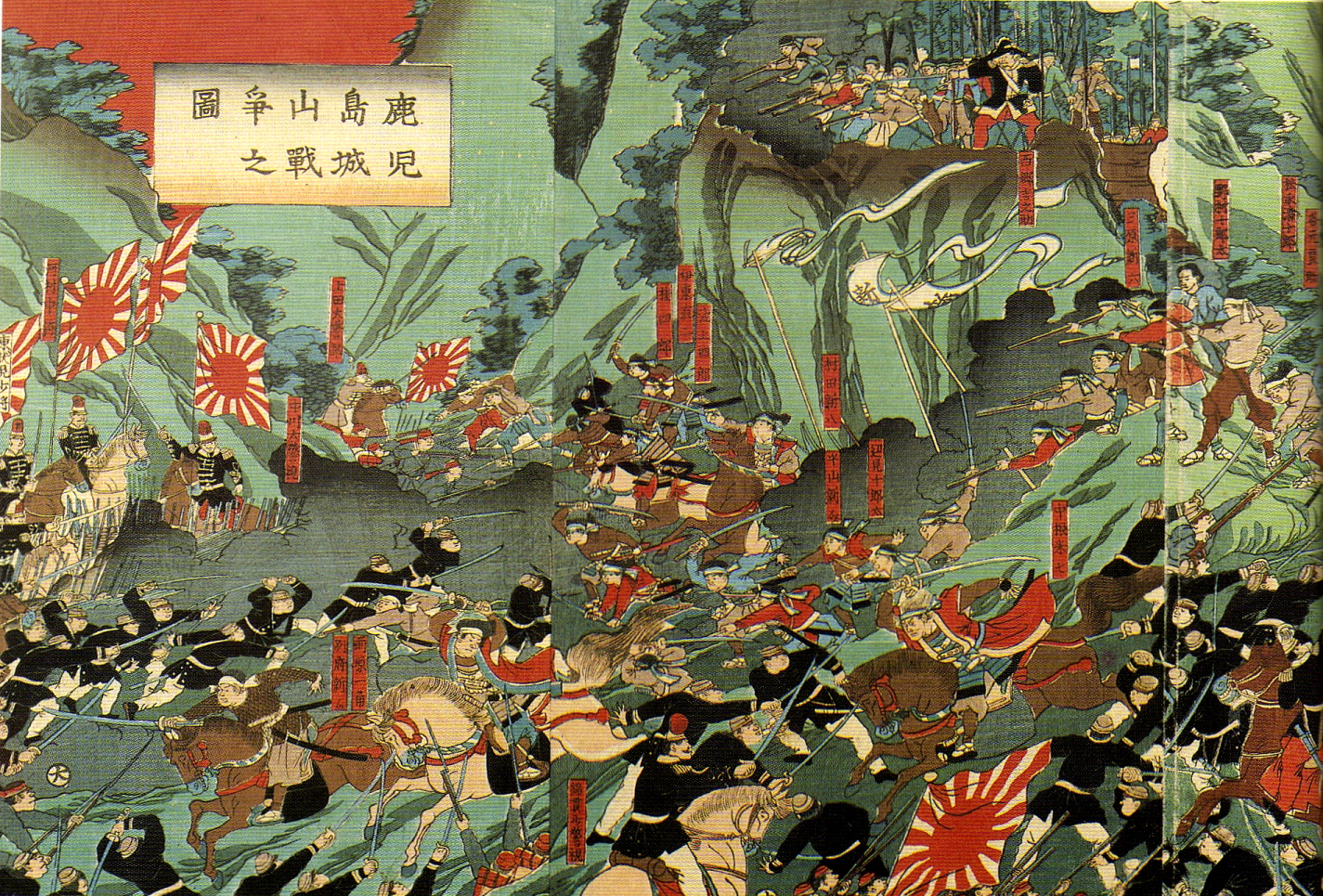
The highly skilled samurai army would soon meet the new imperial army. In a sense this conflict was the embodiment, both physically and spiritually, of the battle between modernity and tradition.
The Samurai were far superior individually to their imperial counterparts, but individual skill hardly mattered in the new age of mass firepower. While the initial numbers of both sides were similar, that quickly changed. The Imperial Army could easily refill its ranks while the same was not true for the Samurai.

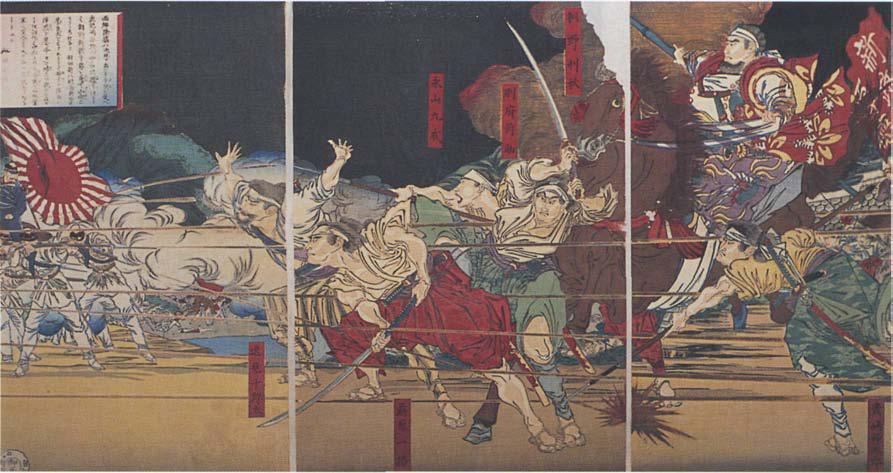
The Rebellion culminated in the battle of Shiroyama. “surrounded and outnumbered 60 to 1 the sword face the gun”. Despite demands for surrender from the imperial side the samurai refused. For a Samurai surrender is the most dishonorable act one could commit, as dictated by the Bushido Code. The battle would begin with 500 samurai, by dawn that number is 40. Saigō Takamori, mortally wounded, would commit ritual suicide, Seppuku. The last 40 samurai would charge out in a last suicidal counter-attack, all were gunned down.
The Battle of Shiroyama marked the death of the Age of the Samurai and the rise of a new Japan. It marked the end of an ancient culture. “As history told the old ways go out in a blaze”.
https://en.wikipedia.org/wiki/Meiji_Restoration
https://en.wikipedia.org/wiki/Emperor_Meiji
https://en.wikipedia.org/wiki/Saig%C5%8D_Takamori
https://en.wikipedia.org/wiki/Yamagata_Aritomo
https://en.wikipedia.org/wiki/Samurai
https://en.wikipedia.org/wiki/Bushido
https://en.wikipedia.org/wiki/Satsuma_Rebellion
https://en.wikipedia.org/wiki/Siege_of_Kumamoto_Castle
4859, Who knows his name?
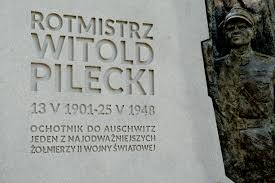
Hello and Welcome. Today we have a dark story to tell. A story of heroism and tragedy, a fight for survival of an entire nation embodied by one man, Witold Pilecki.

Pilecki’s story is told in the song “Inmate 4859”. Witold Pilecki was a polish army and intelligence officer who participated in the Polish-Soviet War and WWII.
During the German Invasion of Poland, Pilecki’s unit had been shattered by the advance of the Wehrmacht. He regrouped with the stragglers and continued to fight until Warsaw fell. After that he joined the Secret Polish Army, a part of the Armia Krajowa.
He would soon come up with an idea that many would call a “suicide mission”. Witold’s task being to infiltrate the concentration camp Auschwitz. He would intentionally get himself caught in a German security sweep, soon after he is sent to Auschwitz. The experience of which he would immortalize in “Pilecki’s Report”.

In the camp Witold would witness horror that would shake him to the core, making him question the true nature of humanity. Pilecki would be the first person to report about the Nazi concentration camps.
After 2 and a half years of fighting a war from prison Witold would escape the camp, his information network being dispersed. He proceeds to turn in his report to the polish resistance, take part in the Warsaw uprising and later the Allied invasion of Italy.

After the end of the war Witold would continue serving the Polish Government-in-Exile, returning to Poland as a secret agent. He would get caught in 1947, judged by a sham jury and the next year, executed by the Polish Communists.
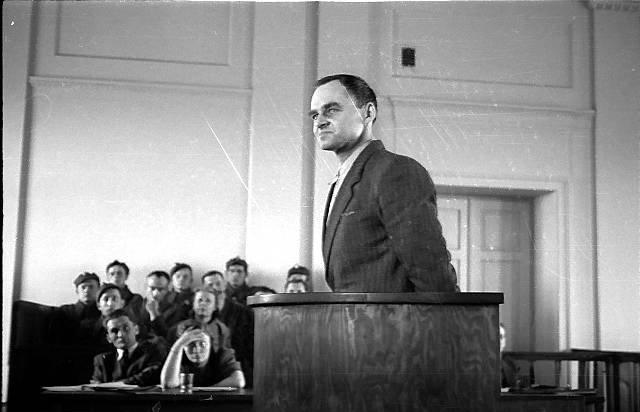
During the communist regime in Poland, Pilecki’s Legacy is wiped out of history and forgotten. In 1991 his trial is declared illegal by the new democratic government and he himself is celebrated as a Polish hero and patriot, embodying the polish struggle for existence. A true example of heroism, bravery and devotion to a cause. His Legacy forever remembered in the song “Inmate 4859”.
https://en.wikipedia.org/wiki/Witold_Pilecki
https://en.wikipedia.org/wiki/Pilecki%27s_Report
die Nachthexen.
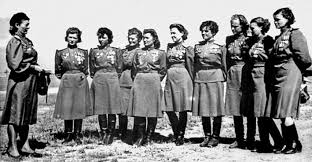
Hello and Welcome back. Today we have a story about, as Joakim from Sabaton put it, “badass women in bomber planes”.
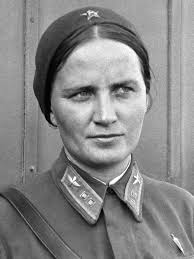
In the song “Night Witches” we are presented the story of the 588th Night Bomber regiment of the Soviet Union. The 588th was one of 3 All-female Air Force regiment raised by the infamous soviet pilot Marina Raskova during the Second World War.
While technically reserved for the least experienced among the recruits, the night bomber regiment proved itself as one of, if not, the best air force regiments in the Soviet Air Force during the Second World War. Producing a total of 23 “Heroes of the Soviet Union” the highest order for merit at the time.
The first engagement of the regiment was in 1942 in the Caucuses. The women of the regiment flew the Po-2 “Kukuruznik” (Crop Duster), a light wood-and-canvas biplane that had been in production since 1928. The biplane was famous for being slow, extremely flammable, outdated and lacking in parachutes, but also cheap, reliable and simplistic.
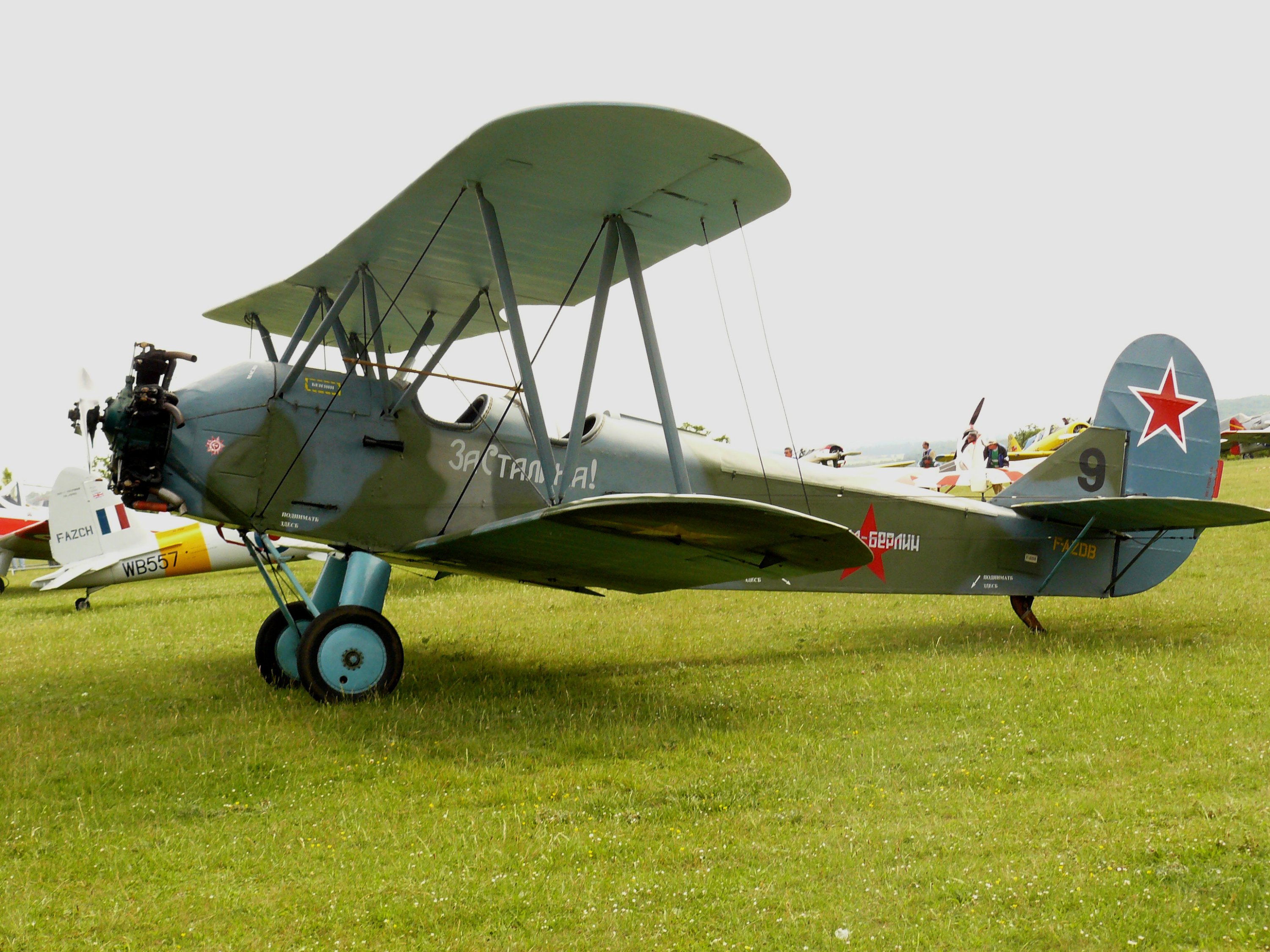
The regiment modified their Po-2s to carry light incendiary shells and bombs. The main task of the night bombers was to harass the enemy, deprive them of sleep and slowly chip away at them.
German forces that were harassed by the 588th after learning that the bombers were piloted by women gave them their infamous nickname, Nachthexen (Night Witches). The reason for this choice on part of the Germans is the fact that the only way for them to notice the bombers in the pitch black night was the sound of the wings gliding. The sound of which reminds of brooms waving in the air.
The pilots of the 588th were instructed to turn off their engines ones the navigator spots the enemy and slowly glide to their positions, ones the target was reached the first planes in the wave would drop flairs, illuminating the enemy positions and dropping their payload. This tactic would prove extremely effective as presented by the fact that the regiment was only ones forced by the Luftwaffe to stay grounded.
The Night Witches would proceed to harass the Axis forces from the Caucuses to Germany as the war progressed. In the process they would achieve Raskova’s goal of proving to the Soviet Union and the rest of the World that a woman can fly as well as any man, thus earning the respect and admiration of their male colleagues.

Despite Raskova’s untimely death in an air accident in 1943, her regiments would carry on her legacy, with the Night Witches producing great pilots, navigators and engineers over the span of the war. Two examples would be the commander and deputy-commander of the regiment, Yevdokiya Bershanskaya and Serafima Amosova respectively.
After the war, the 588th’s commissar, Yevdokiya Rachkevich, would dedicate the rest of her life to locating the crash sites of all of her lost fliers, for at the time in the Soviet Union, soldiers that went missing were assumed Axis collaborators and thus considered “guilty until proven innocent”. Rachkevich would prove successful in her quest. She located all of the crash sites, organized proper burials, placed memorials and documented the history of the 588th Night Bomber Regiment, Night Witches.
https://en.wikipedia.org/wiki/Night_Witches
https://en.wikipedia.org/wiki/Marina_Raskova
https://en.wikipedia.org/wiki/Yevdokiya_Bershanskaya
https://en.wikipedia.org/wiki/Serafima_Amosova
Bannockburn, A Scottish Icon.
Hello and welcome. Considering I’am based in Scotland it would be a real shame to not start off with no other song than “Blood of Bannockburn”.
Sabaton has always been a band aiming to tell history, the stories of the people in it. “Blood of Bannockburn” is a very powerful and emotional piece that anyone remotely interested in Scottish history should hear.
So, what’s the story? 1314, south of Stirling Castle, two armies meet. At the time Scotland and England were embroiled in war that today we know as the First War of Scottish Independence. The Scots had put Stirling Castle under siege. The Castle controls the vital road between the Highlands and Lowlands and at the time was held by a lord loyal to England. An agreement was reached, if no relief reaches the castle by mid-summer the defenders will surrender.
This promted the English King to march and meet the new King in the North and solidify his grip over Scotland. This culminated in the Battle of Bannockburn, not that far north from Falkirk where William Wallace’s army was defeated.
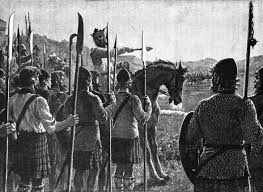
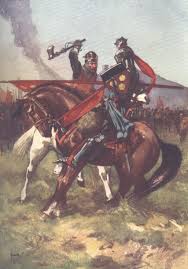
The heavily armoured English host was bogged down in the marshy lands, preventing them from using their full force. These bad conditions were worsened by the fortifications the Scots had erected, which stopped the charge of the English knights dead in their tracks. A famous story of this charge was of the duel of Henry de Bohun and Robert the Bruce, with the Bruce walking away victorious. The duel demoralized the English, putting an end to the first day of fighting.
The following day did not go any better for the English, as the terrain prevented them from using all of their forces. The Scottish infantry slowly but steadily pushed their enemies into the marshes and ditches, prompting Edward II to flee the battlefield. Edward’s flight signaled the end of the battle as the English army began a mass route.
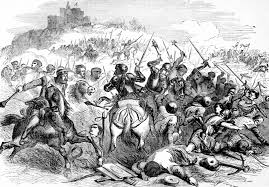
Shortly after the battle, Stirling Castle surrendered and 14 years later peace between Scotland and England will finally become a reality with the Treaty of Edinburgh-Northampton.
Bannockburn today stands as a symbol of Scottish resistance and bravery. The sacrifice and courage of people like William Wallace echoing to this day.
https://en.m.wikipedia.org/wiki/Battle_of_Bannockburn
https://en.m.wikipedia.org/wiki/First_War_of_Scottish_Independence
https://en.m.wikipedia.org/wiki/Robert_the_Bruce
 The Story behind the Lyrics