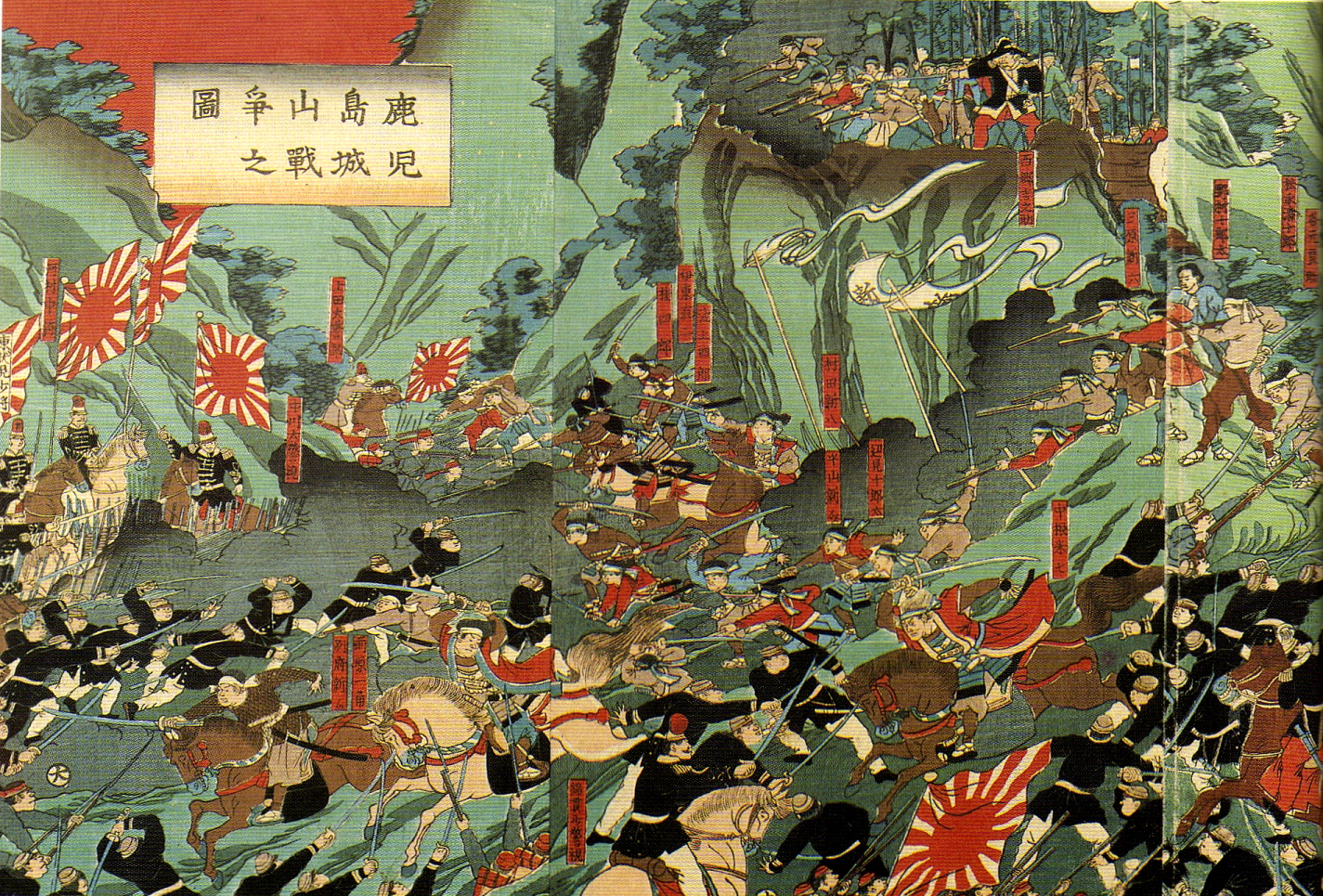
Hello and Welcome back. Today we will be covering the story of the Satsuma Rebellion and the ancient samurai code of honour, Bushido.
The song that covers this story is “Shiroyama” which is a part of the “Last Stand” album. As with every song in this album the end of the story is tragic, yet heroic.
So, our story begins in 1868 with the Meiji Restoration. Up until then Japan had been ruled in a feudal styled system led by the Shogun, the de facto ruler of Japan. That all changed with the Meiji Restoration that returned practical rule over Japan to the Emperor at the time, Meiji.
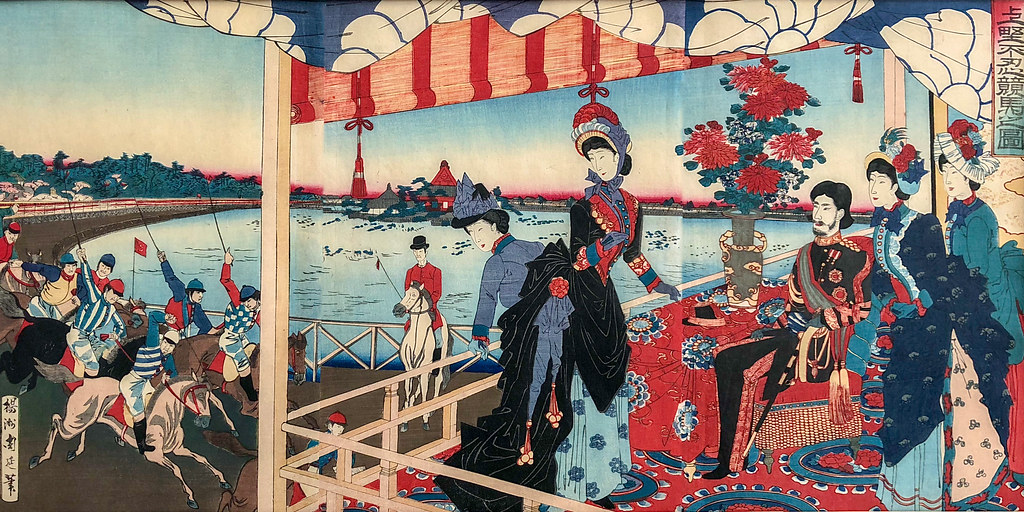
Under the rule of Emperor Meiji Japan would rapidly modernize by adopting European styled values and ideals as well as production methods and military structure.
One effect of this rapid race to modernity was the destruction of the traditional Japanese class structure. The new Meiji Constitution had completely abolished this system, making every man a commoner including the infamous Samurai.
One of the many now jobless Samurai was Saigō Takamori. Takamori was an adamant supporter of the Emperor but he had hoped the Samurai would be allowed to retain their status in the countryside. When that was proven wrong, Saigō would return to his ancestral estate to lead samurai dojos in an effort to preserve the dying samurai class and the ancient code of honour, Bushido.
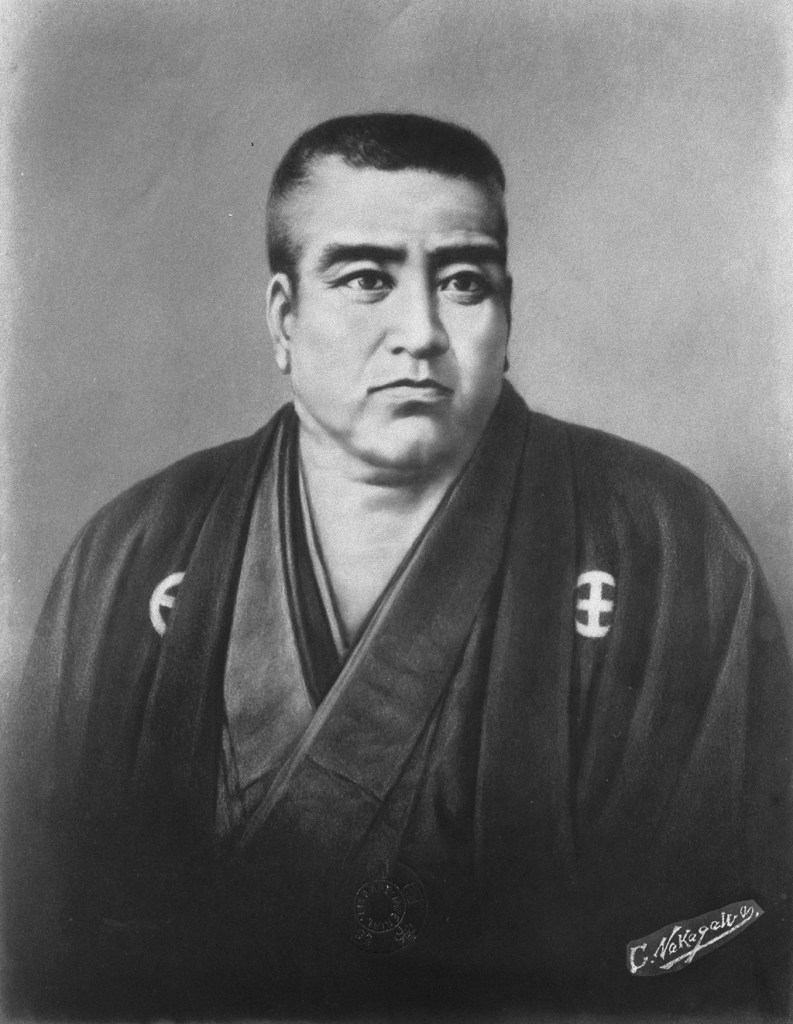
This raised eyebrows in Tokyo, soon investigators were sent. The situation would quickly deteriorate resulting in what we know as the Satsuma Rebellion.
The highly skilled samurai army would soon meet the new imperial army. In a sense this conflict was the embodiment, both physically and spiritually, of the battle between modernity and tradition.
The Samurai were far superior individually to their imperial counterparts, but individual skill hardly mattered in the new age of mass firepower. While the initial numbers of both sides were similar, that quickly changed. The Imperial Army could easily refill its ranks while the same was not true for the Samurai.

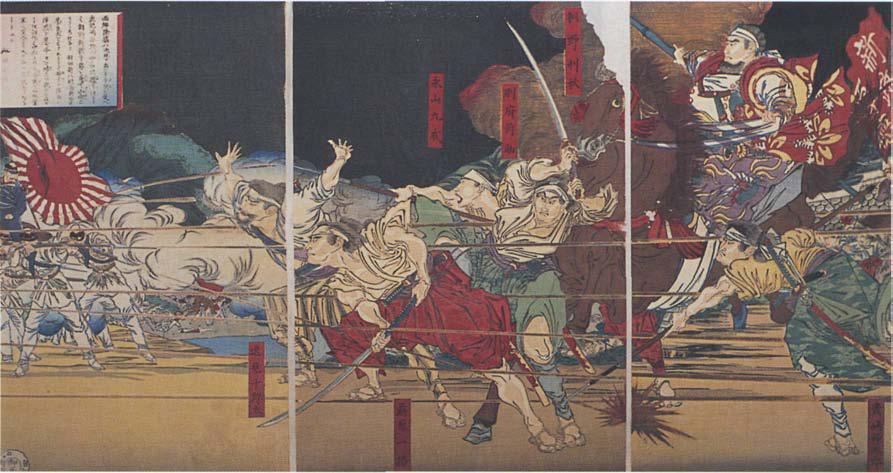
The Rebellion culminated in the battle of Shiroyama. “surrounded and outnumbered 60 to 1 the sword face the gun”. Despite demands for surrender from the imperial side the samurai refused. For a Samurai surrender is the most dishonorable act one could commit, as dictated by the Bushido Code. The battle would begin with 500 samurai, by dawn that number is 40. Saigō Takamori, mortally wounded, would commit ritual suicide, Seppuku. The last 40 samurai would charge out in a last suicidal counter-attack, all were gunned down.
The Battle of Shiroyama marked the death of the Age of the Samurai and the rise of a new Japan. It marked the end of an ancient culture. “As history told the old ways go out in a blaze”.
https://en.wikipedia.org/wiki/Meiji_Restoration
https://en.wikipedia.org/wiki/Emperor_Meiji
https://en.wikipedia.org/wiki/Saig%C5%8D_Takamori
https://en.wikipedia.org/wiki/Yamagata_Aritomo
https://en.wikipedia.org/wiki/Samurai
https://en.wikipedia.org/wiki/Bushido
https://en.wikipedia.org/wiki/Satsuma_Rebellion
https://en.wikipedia.org/wiki/Siege_of_Kumamoto_Castle
 The Story behind the Lyrics