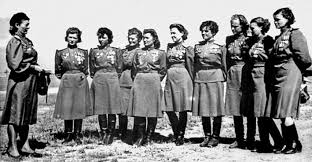
Hello and Welcome back. Today we have a story about, as Joakim from Sabaton put it, “badass women in bomber planes”.
In the song “Night Witches” we are presented the story of the 588th Night Bomber regiment of the Soviet Union. The 588th was one of 3 All-female Air Force regiment raised by the infamous soviet pilot Marina Raskova during the Second World War.
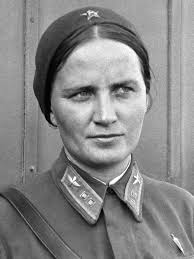
While technically reserved for the least experienced among the recruits, the night bomber regiment proved itself as one of, if not, the best air force regiments in the Soviet Air Force during the Second World War. Producing a total of 23 “Heroes of the Soviet Union” the highest order for merit at the time.
The first engagement of the regiment was in 1942 in the Caucuses. The women of the regiment flew the Po-2 “Kukuruznik” (Crop Duster), a light wood-and-canvas biplane that had been in production since 1928. The biplane was famous for being slow, extremely flammable, outdated and lacking in parachutes, but also cheap, reliable and simplistic.
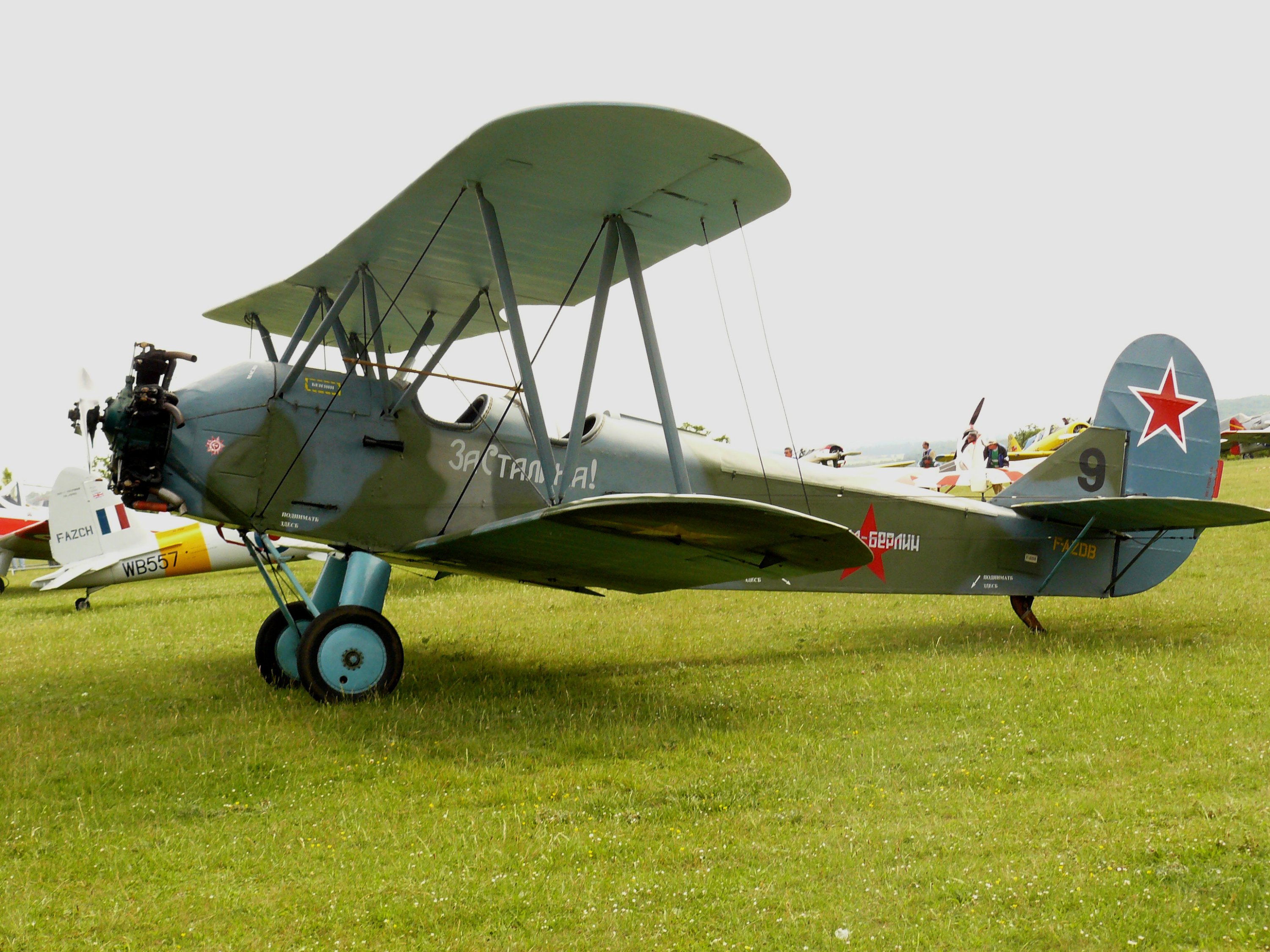
The regiment modified their Po-2s to carry light incendiary shells and bombs. The main task of the night bombers was to harass the enemy, deprive them of sleep and slowly chip away at them.
German forces that were harassed by the 588th after learning that the bombers were piloted by women gave them their infamous nickname, Nachthexen (Night Witches). The reason for this choice on part of the Germans is the fact that the only way for them to notice the bombers in the pitch black night was the sound of the wings gliding. The sound of which reminds of brooms waving in the air.
The pilots of the 588th were instructed to turn off their engines ones the navigator spots the enemy and slowly glide to their positions, ones the target was reached the first planes in the wave would drop flairs, illuminating the enemy positions and dropping their payload. This tactic would prove extremely effective as presented by the fact that the regiment was only ones forced by the Luftwaffe to stay grounded.
The Night Witches would proceed to harass the Axis forces from the Caucuses to Germany as the war progressed. In the process they would achieve Raskova’s goal of proving to the Soviet Union and the rest of the World that a woman can fly as well as any man, thus earning the respect and admiration of their male colleagues.

Despite Raskova’s untimely death in an air accident in 1943, her regiments would carry on her legacy, with the Night Witches producing great pilots, navigators and engineers over the span of the war. Two examples would be the commander and deputy-commander of the regiment, Yevdokiya Bershanskaya and Serafima Amosova respectively.
After the war, the 588th’s commissar, Yevdokiya Rachkevich, would dedicate the rest of her life to locating the crash sites of all of her lost fliers, for at the time in the Soviet Union, soldiers that went missing were assumed Axis collaborators and thus considered “guilty until proven innocent”. Rachkevich would prove successful in her quest. She located all of the crash sites, organized proper burials, placed memorials and documented the history of the 588th Night Bomber Regiment, Night Witches.
https://en.wikipedia.org/wiki/Night_Witches
https://en.wikipedia.org/wiki/Marina_Raskova
https://en.wikipedia.org/wiki/Yevdokiya_Bershanskaya
https://en.wikipedia.org/wiki/Serafima_Amosova
 The Story behind the Lyrics